


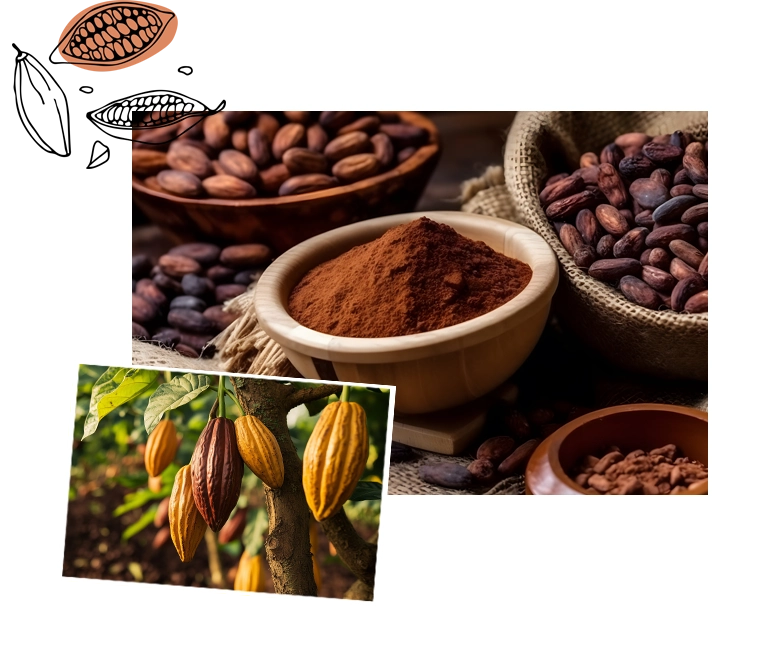
From bean to bar: The cacao journey
Harvesting pods initiates anaerobic fermentation, crucial for aromatic precursors. Precise roasting develops Maillard notes, while conching nibs into smooth cocoa mass forms the couverture base for artisanal confectionery, merging botanical science with ancestral craftsmanship.
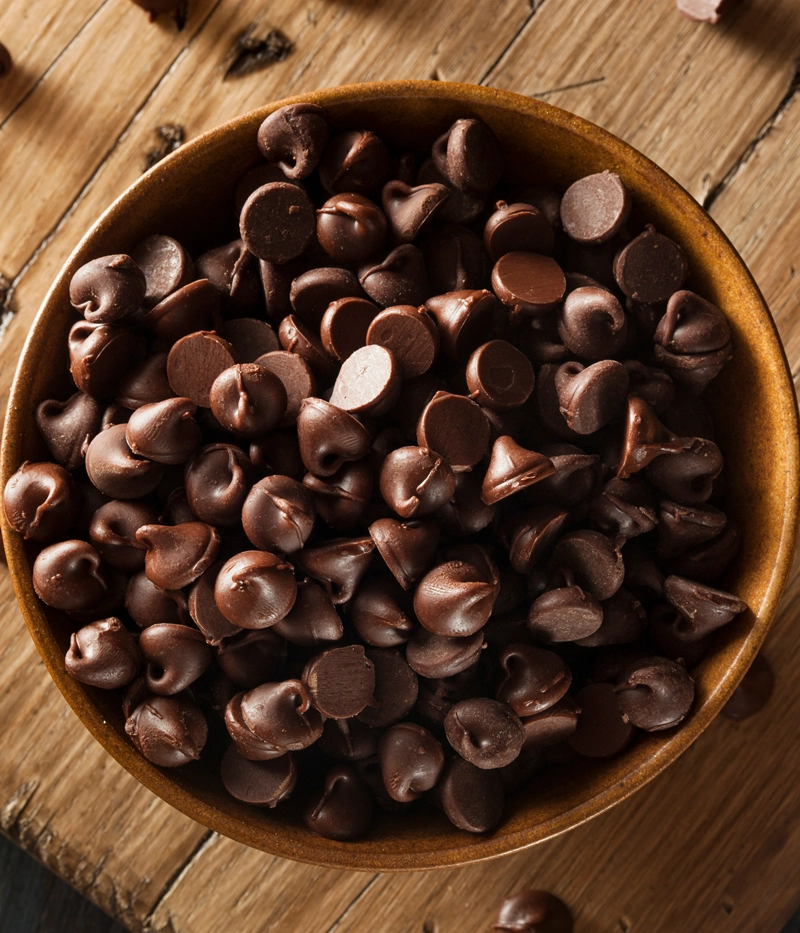
High cocoa solids deliver distinct bitterness and terroir acidity, requiring low sugar content to highlight the complex flavor profile of grand cru varietals.

Adding whole milk powder mellows astringency, creating creamy emulsion notes that melt smoothly, revealing caramelized sugar and Madagascan vanilla nuances.
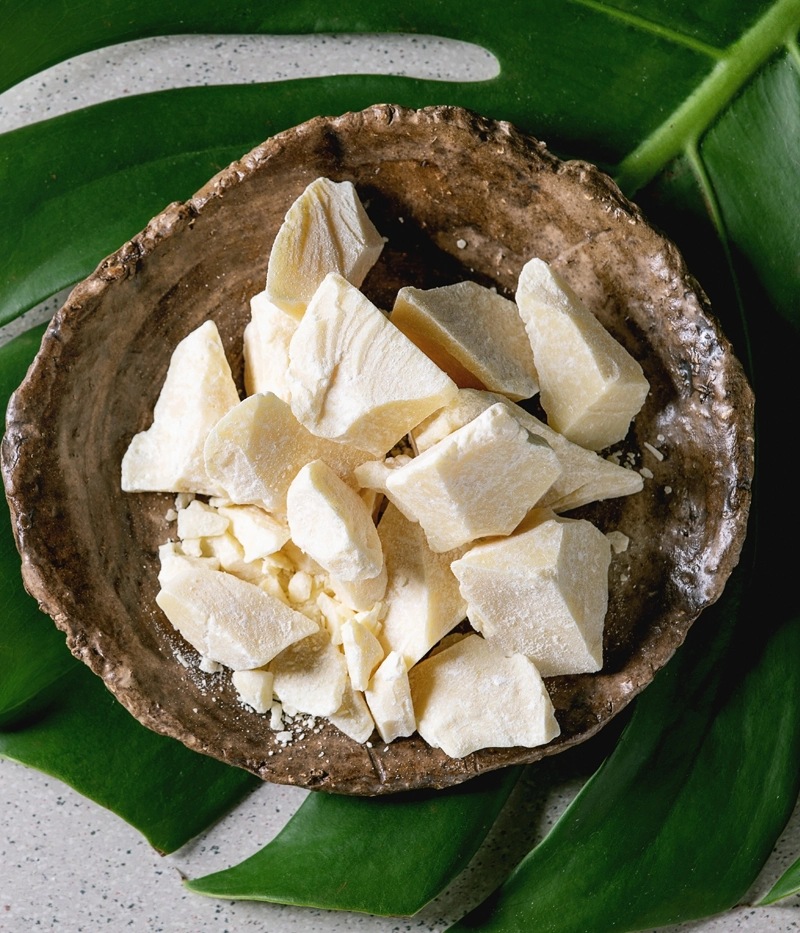
Pure cocoa butter ensures glossy sheen and smooth mouthfeel, serving as a stable emulsion for infusing vanilla bean or freeze-dried fruit inclusions.
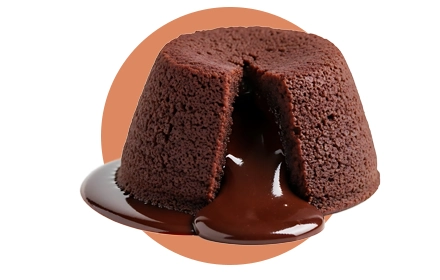
Molten chocolate fondant
The molten ganache core of this signature dessert satisfies gourmet palates with its flowing texture and intense cocoa finish.
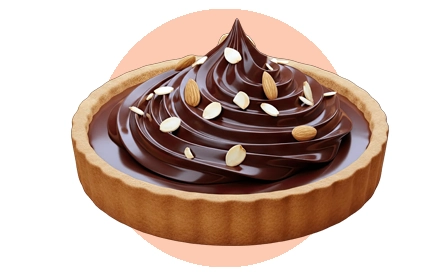
Dark ganache chocolate tart
Sweet shortcrust pastry and silky dark ganache ensure a textural contrast between buttery crunch and bittersweet cocoa intensity.

Artisanal chocolate pain au chocolat
Laminated yeast dough and batons of couverture turn morning viennoiserie into a luxury tasting experience.
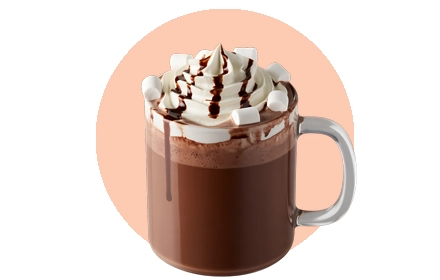
Velvety hot drinking chocolate
This creamy beverage offers winter comfort through high-fat cocoa content and spiced aromatics for soothing warmth.
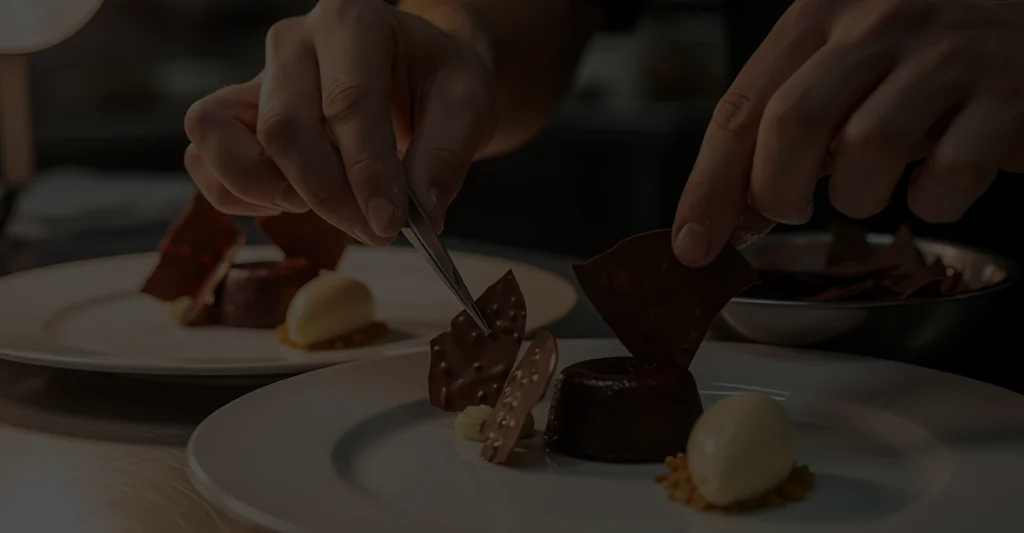
Pastry techniques for tempering and molding
Achieving glossy finish requires temperature control and fluidity management. Select couverture coins, monitor the crystallization curve, and handle specifically to prevent fat bloom. Mastering beta crystals ensures a crisp snap for bonbons or enrobing. Aesthetics matter: chocolate curls, transfer sheets, or velvet sprays elevate a simple mousse to pâtisserie standards. These professional methods ensure stable emulsions and memorable textures.
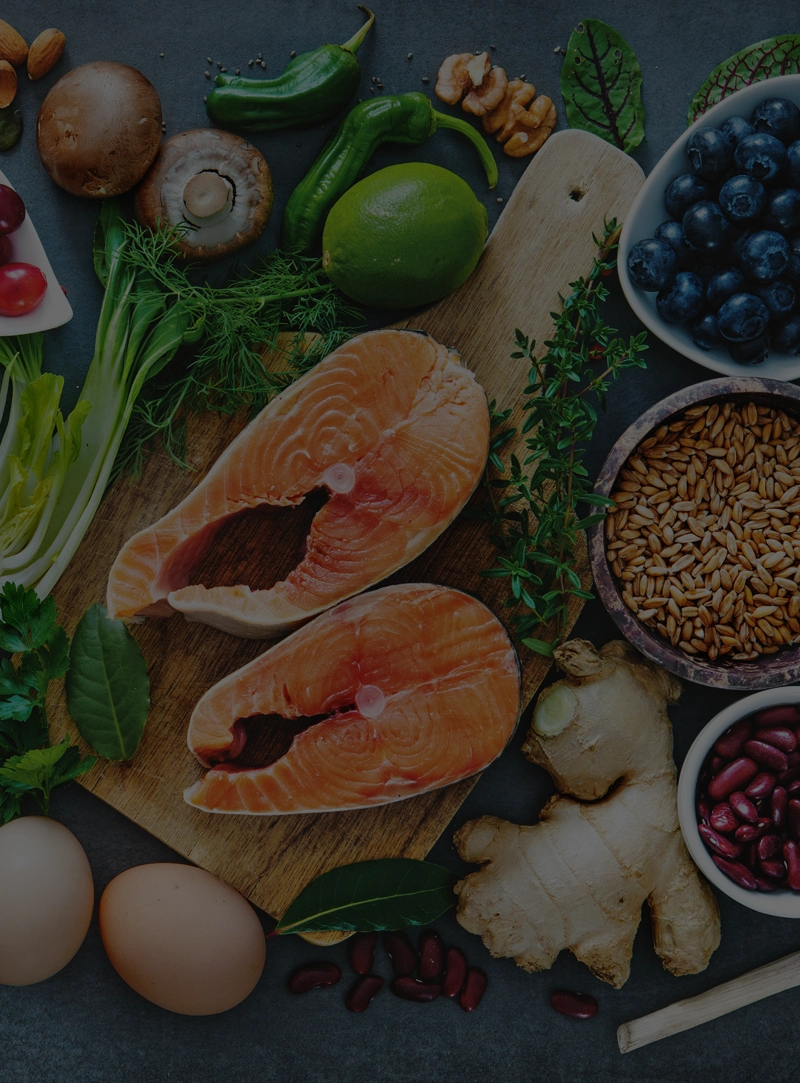
High-percentage cacao rich in polyphenols and micronutrients supports a cardiovascular health strategy via essential flavonoids.
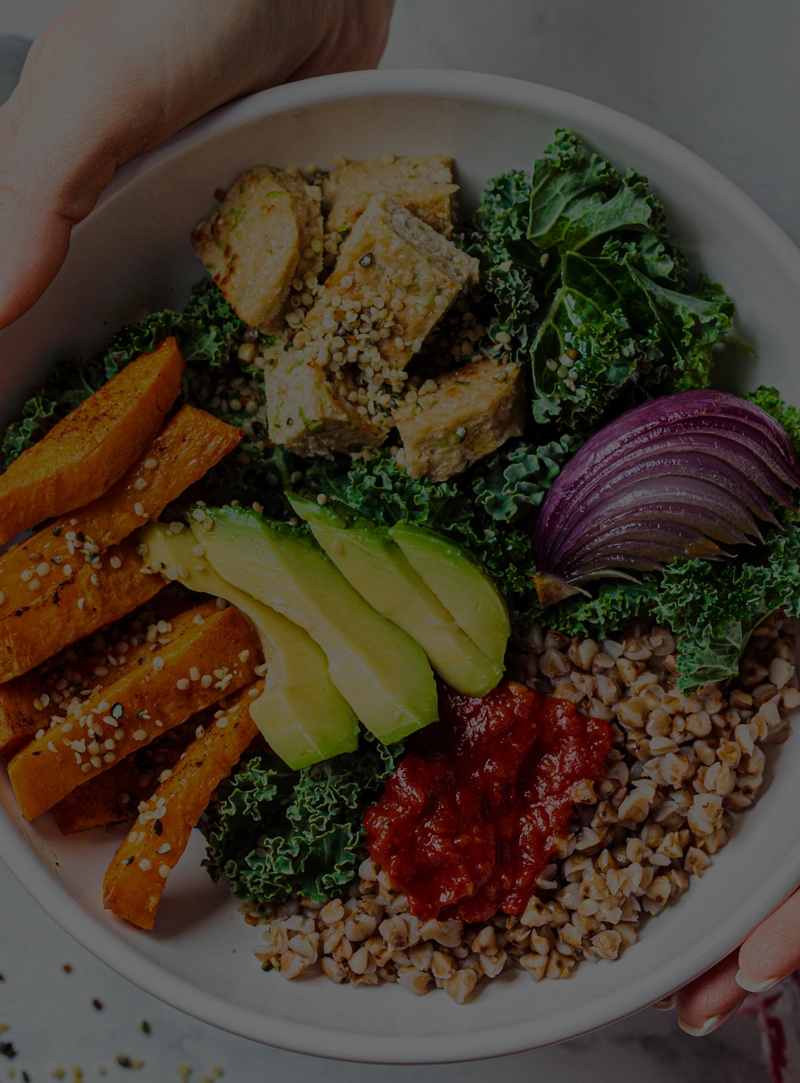
Moderating intake of dark squares balances caloric density while providing sustained energy and mood-enhancing theobromine.

Selecting low-sugar alternatives or stevia-sweetened bars reduces glycemic impact while maintaining metabolic balance.
Gastronomic origins: global recipes and traditions
Exploring global gastronomy brings exotic pairings to the home kitchen. Every confection shares heritage, reflects origin terroir, and unveils distinct profiles. From rustic truffles to complex entremets, recipes invite technical experimentation combining gastronomic delight with artistry. Mastering Mexican mole or Belgian pralines deepens cultural appreciation, offering menu diversity for gourmet gatherings and festive sharing moments.
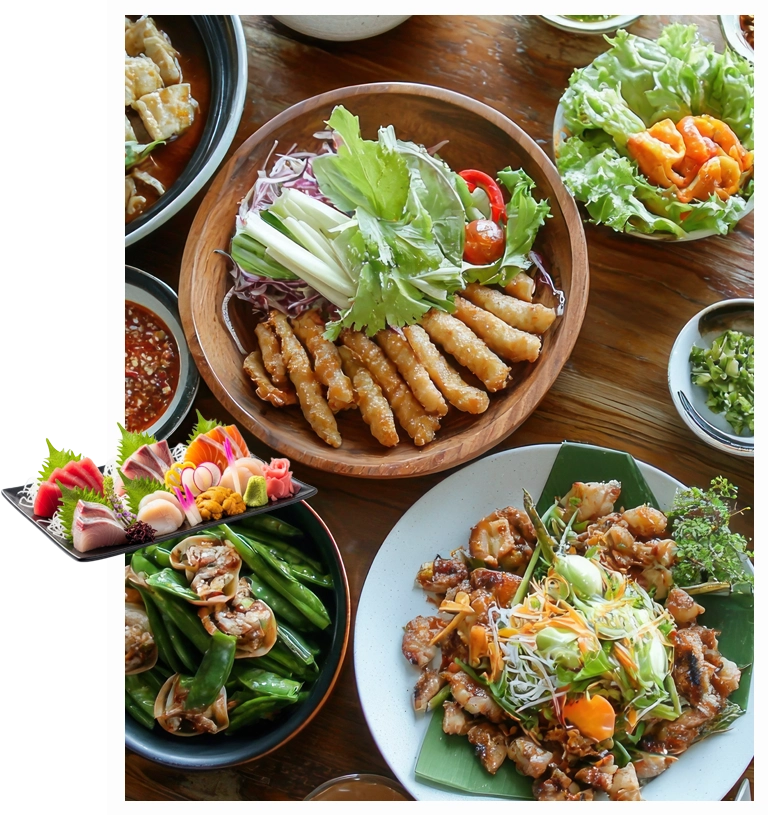
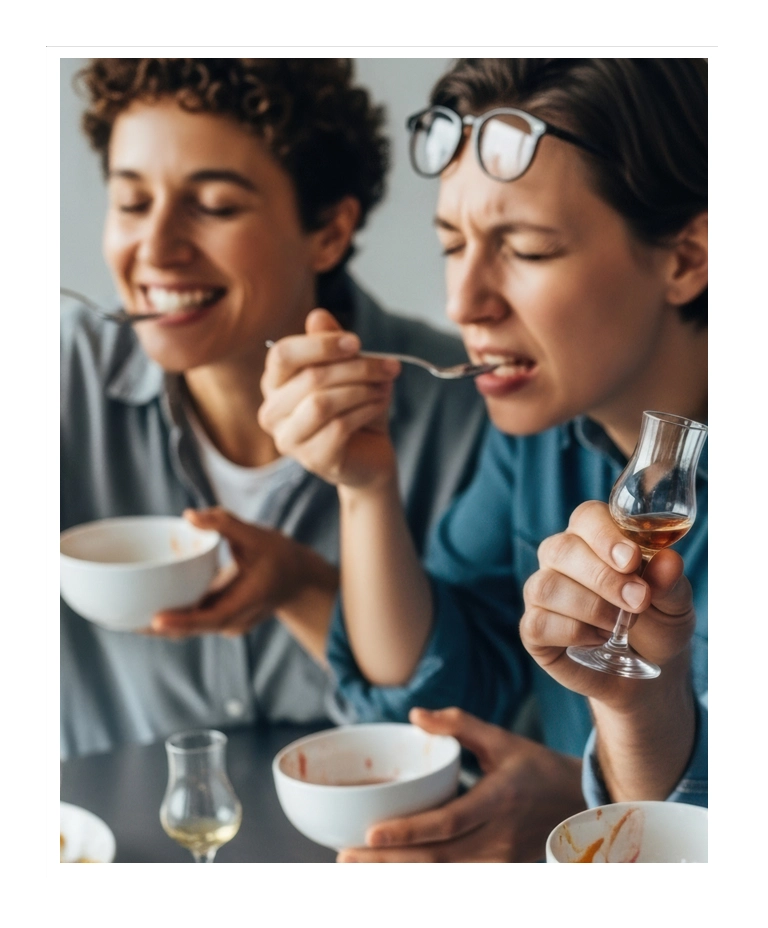
Sensory analysis: tasting notes and discoveries
Sensory analysis transcends eating: it activates receptors to make tasting a rare event. Checking surface gloss, inhaling volatile compounds, evaluating melt rate, and noting flavor arcs enhances epicurean joy. Slow consumption reveals unexpected accords and educates the palate. This mindful methodology converts baking into gustatory exploration, where every formulation is a study and every morsel a revelation.